
Guptkashi is a mountain town in Rudraprayag district, Uttarakhand, known for its ancient temples, Himalayan surroundings and position on the route to Kedarnath. For many travellers, it is a convenient place to pause before a pilgrimage. For others, it offers an opportunity to explore the religious heritage, landscapes and everyday life of the Kedar Valley.
This Guptkashi travel guide covers the main places to visit, the best time to plan a trip, transport options, nearby destinations and practical tips for choosing accommodation. Whether you are travelling to Kedarnath or planning a slower mountain getaway, a little preparation can help you make better use of your time.
Where Is Guptkashi?
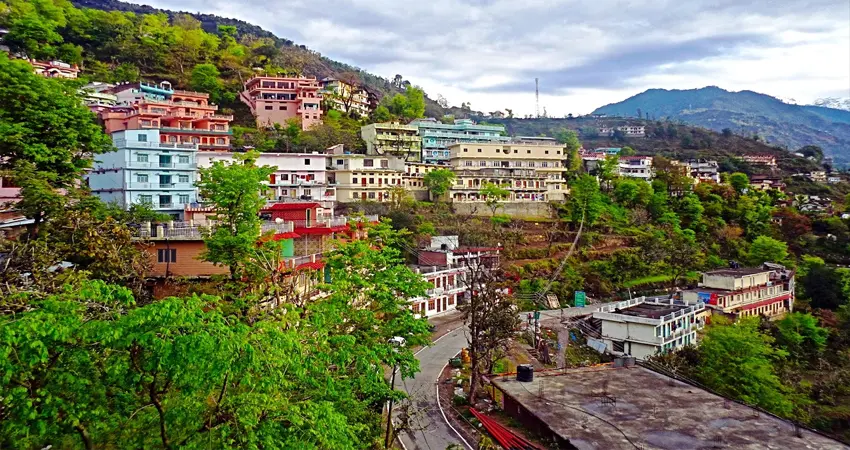
Guptkashi is located in Rudraprayag district in the Garhwal Himalayas of Uttarakhand. The town lies along the broader travel corridor used by pilgrims heading towards Kedarnath and is surrounded by mountain slopes, settlements and the landscape of the Mandakini Valley.
Its importance comes from both geography and religious heritage. Guptkashi is associated with the worship of Lord Shiva and is home to notable sites including Vishwanath Temple, Ardhanarishwar Temple and Manikarnika Kund.
The town can be a useful stop for travellers who want to explore local temples or break up a longer road journey. However, it is worth distinguishing between visiting Guptkashi itself and travelling onward to Kedarnath, which involves separate arrangements and seasonal considerations.
Best Time to Visit Guptkashi
The right time to visit depends on whether your priority is temple sightseeing, mountain scenery, a Kedarnath pilgrimage or a quieter stay.
Spring and early summer: March to June
Spring and early summer are popular periods for exploring Uttarakhand’s mountain destinations. The weather can be pleasant for sightseeing and walking, although temperatures and conditions vary with elevation and individual weather systems.
This period can also coincide with the Kedarnath pilgrimage season. Accommodation and road transport may be in greater demand around busy travel dates, so plan ahead if your visit is connected to the yatra.
Carry layers even when daytime temperatures feel comfortable. Mountain mornings and evenings can be considerably cooler.
Monsoon: July to early September
The monsoon brings rainfall to the region, making travel conditions less predictable. Heavy rain can contribute to landslides, road closures, poor visibility and delays.
If you travel during this period, keep your schedule flexible and check official weather and road advisories before setting out. Avoid assuming that a route is safe or open simply because it was accessible earlier in the season.
Travellers with fixed pilgrimage dates should pay particular attention to current transport and registration guidance.
Post-monsoon: September to November
Post-monsoon can be a rewarding period for travellers interested in mountain scenery and temple visits, depending on the weather and the timing of the trip.
Conditions can change quickly in the hills, particularly later in the season. Check temperatures, local access and the current Kedarnath temple schedule before finalising a pilgrimage itinerary.
Winter: December to February
Winter brings colder conditions to the region, and higher mountain destinations can experience snow or restricted access. Guptkashi and nearby areas should not be assumed to have identical weather or operating conditions.
If you are considering a winter visit, confirm the availability of your accommodation, heating arrangements, road conditions and the opening status of any destination you plan to visit.
Places to Visit in Guptkashi
1. Vishwanath Temple
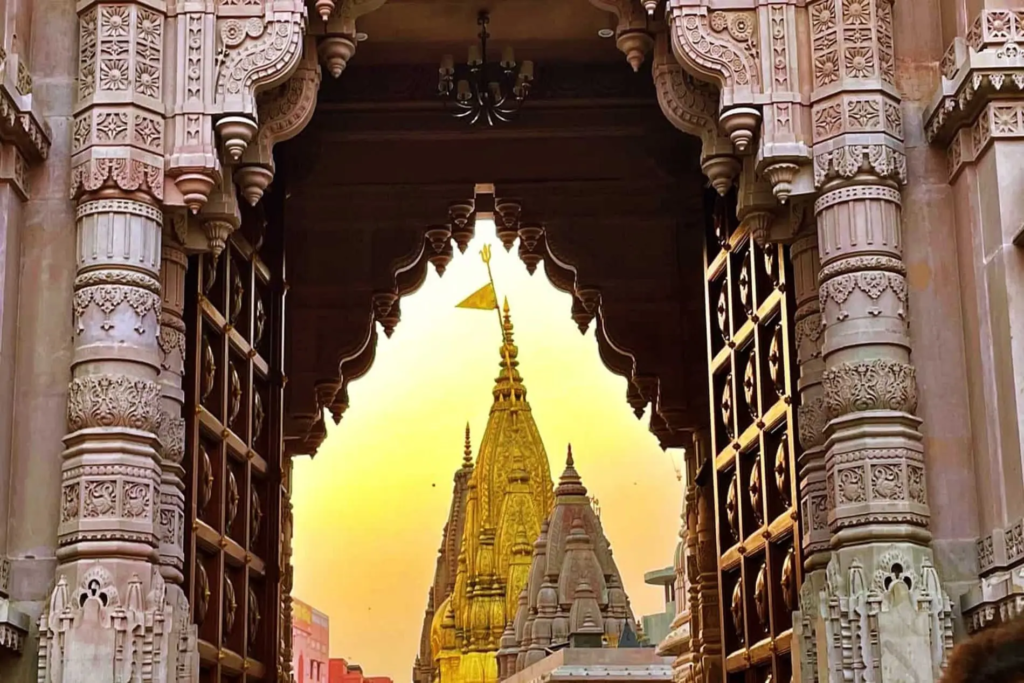
Vishwanath Temple is one of Guptkashi’s principal religious attractions and is dedicated to Lord Shiva. The temple is an important stop for visitors interested in the spiritual history of the region.
Allow time to appreciate the temple and its surroundings rather than treating it as a quick stop on a longer drive. Dress respectfully, follow local instructions and check any current visiting arrangements before your visit.
2. Ardhanarishwar Temple
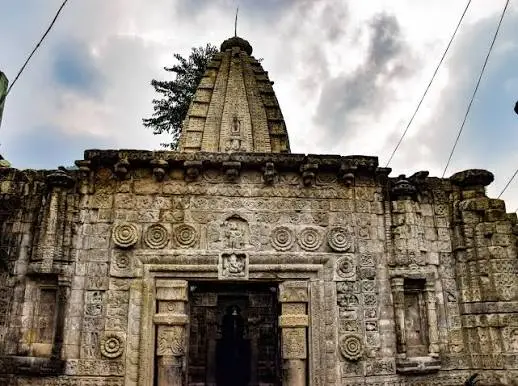
Ardhanarishwar Temple is another significant religious site in Guptkashi. The deity represents the combined form of Shiva and Parvati, traditionally understood as the union of masculine and feminine principles.
The temple adds another dimension to a visit focused on the town’s religious heritage. If you are interested in architecture, local traditions or the spiritual geography of the Kedarnath region, it is worth including in your sightseeing plan.
3. Manikarnika Kund
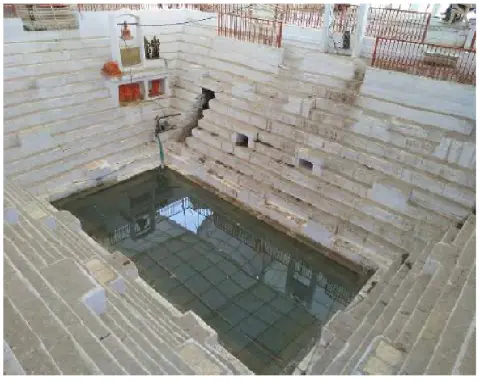
Manikarnika Kund is associated with the Vishwanath Temple complex. Local religious tradition holds that the waters of the Ganga and Yamuna meet here.
The kund is a useful addition to a temple-focused visit. As with other sacred sites, respect local customs and avoid disturbing worshippers or religious activities.
4. Local walks and the surrounding landscape
Guptkashi’s appeal extends beyond its temples. The surrounding mountain scenery and settlements offer opportunities to appreciate the landscape at a slower pace.
Depending on the weather, access and local guidance, you may enjoy a short walk, observe everyday village life or spend time taking in the mountain views. Choose established paths, ask locally before entering unfamiliar areas and avoid walking on isolated trails without suitable preparation.
For visitors who enjoy quieter surroundings, the wider Kedar Valley can be a reason to spend more time in the region rather than using Guptkashi only as a transit stop.
Things to Do in Guptkashi
Explore the town’s religious heritage
Visit the principal temples, learn about their local significance and allow enough time to explore respectfully. If you are visiting during a religiously busy period, expect schedules and crowd levels to vary.
Experience local culture
Observe the rhythms of mountain-town life, support local businesses and ask permission before photographing people or private spaces. Local knowledge can also help you understand which nearby sites are suitable for a short visit.
Enjoy nature at a comfortable pace
Nature walks and scenic drives can offer a different perspective on the area. Conditions on mountain roads and trails can change, so check the weather and confirm local accessibility before setting out.
Explore beyond the town
Guptkashi can be a starting point for exploring the wider region. Nearby destinations offer different experiences, from pilgrimage routes to mountain landscapes and trekking areas. Choose destinations according to your available time, fitness, the season and current road or trail conditions.
Places to Explore Near Guptkashi
The wider region contains several destinations that may interest travellers, but they should not all be treated as easy day trips.
Kedarnath: A major Hindu pilgrimage destination reached through a separate journey from the roadhead at Gaurikund or by authorised helicopter services when operating. Pilgrimage registration, opening dates, transport and access arrangements must be checked through official channels.
Chopta: A mountain destination known for its natural surroundings and as an access point for routes towards Tungnath. Road and trail conditions vary by season.
Tungnath: A revered Shiva temple associated with the Panch Kedar pilgrimage circuit. Visiting requires checking the route, weather, walking requirements and seasonal access.
Chandrashila: A mountain summit commonly combined with the Tungnath route. This is a trekking objective rather than a casual sightseeing stop; weather, fitness and current trail conditions matter.
Deoria Tal: A lake destination in the wider Uttarakhand region that attracts visitors interested in nature and mountain scenery. Check the approach route, walking requirements and current local guidance before planning a visit.
Before combining several of these places in one itinerary, check a current map and local travel advice. Actual driving times can differ significantly from estimates because of traffic, roadworks, weather and mountain-road conditions.
How to Reach Guptkashi
By road
Road travel is the main way to reach Guptkashi. Travellers commonly approach through Uttarakhand’s road network via places such as Rishikesh, Srinagar Garhwal and Rudraprayag, depending on their starting point.
You can plan the journey using a private vehicle, taxi or available bus connections. However, services, departure times and road conditions should be checked for your travel date rather than assumed from a general route description.
Allow extra time for mountain driving, especially during the monsoon and busy pilgrimage periods. If you are travelling onward to Kedarnath, check the current arrangements for reaching Sonprayag and Gaurikund.
By train
Rishikesh is a commonly used railhead for travellers continuing towards Guptkashi. Depending on your train, Haridwar or Dehradun may also be practical arrival points.
The rail journey is only one part of the trip. You will need to arrange onward road transport, and the final travel time depends on your arrival station, traffic and road conditions.
Check train schedules and onward transport before booking connections with a tight turnaround.
By air
Jolly Grant Airport near Dehradun is a commonly used airport for travellers heading to the Kedarnath region. From the airport, you will need to continue by road.
Helicopter services associated with Kedarnath operate under separate arrangements and are subject to official booking procedures, operating dates and weather conditions. Do not assume that a helicopter service is available on your preferred date or that it replaces all ground transport.
For current pilgrimage information, use the official Uttarakhand registration and tourist-care portal.
How Many Days Do You Need in Guptkashi?
The time required depends on whether Guptkashi is your main destination or part of a longer Kedarnath journey.
Option 1: A short visit
If you have limited time, focus on Vishwanath Temple, Ardhanarishwar Temple and Manikarnika Kund. Leave room for meals, local travel and unexpected delays.
This plan is best for travellers who want to understand the town’s religious heritage without adding multiple distant destinations.
Option 2: A relaxed two-day visit
Day 1: Arrive in Guptkashi, settle into your accommodation and explore the town’s main temples. Keep the evening flexible rather than scheduling a long additional drive.
Day 2: Spend time enjoying the surrounding landscape or arrange a suitable local walk or experience. If you plan to travel to a destination such as Chopta or Deoria Tal, verify the route and allow enough time for the return journey.
These are flexible sightseeing suggestions, not guaranteed itineraries. If Kedarnath is the main purpose of your trip, plan the pilgrimage separately and include appropriate time for transport, registration requirements and changing conditions.
Where to Stay in Guptkashi
Choosing accommodation in Guptkashi depends on your itinerary, budget, preferred level of comfort and transport arrangements.
Before booking, consider:
- How the property fits into your planned route.
- Whether your room has the facilities you need for the season.
- What food is available and when meals are served.
- Whether parking or transport assistance is available if required.
- The property’s current cancellation, payment and check-in conditions.
- How far the property is from the particular starting point or destination relevant to your plans.
Travellers looking for a more nature-focused stay can also consider Devshal Eco Stays in Village Devshal, Guptkashi.
Devshal offers geodesic domes, including mountain-view options, as well as Garhwali-inspired Himalayan rooms. Its setting and design are suited to travellers who want to combine time in the Kedar Valley with a comfortable base away from the pace of a purely transit-focused stop.
The property also lists Chiara Café, which serves freshly prepared vegetarian meals, and experiences including hiking and nature trails, village tours, cycling, yoga and meditation. Availability should be confirmed directly before planning activities around your stay.
Explore the Devshal accommodation options and available experiences to decide whether the property fits your itinerary.
Practical Travel Tips for Guptkashi
Check current conditions. Review weather alerts, road information and relevant pilgrimage announcements shortly before departure.
Carry suitable clothing. Layers, comfortable walking shoes and rain protection are useful for changing mountain conditions. Colder months may require additional warm clothing.
Plan transport realistically. Do not assume that taxis, buses or helicopter services will operate at a particular time without confirmation.
Book ahead during busy periods. Accommodation demand can increase around major pilgrimage dates. Confirm your booking and keep the property’s contact details accessible.
Respect religious and local customs. Follow temple instructions, dress appropriately and ask permission before photographing people or ceremonies.
Keep your itinerary flexible. Mountain travel is vulnerable to weather and road delays. Avoid scheduling essential connections too closely together.
Travel responsibly. Carry your waste back with you, avoid disturbing wildlife and vegetation, and respect private property and local communities.
Frequently Asked Questions About Guptkashi
What is Guptkashi famous for?
Guptkashi is known for Vishwanath Temple, Ardhanarishwar Temple, Manikarnika Kund and its location on the route to Kedarnath. It also serves as a base for exploring the wider Kedar Valley.
What is the best time to visit Guptkashi?
Spring and early summer, along with suitable post-monsoon periods, are common choices for sightseeing. The best dates depend on weather, your preferred activities and whether you are travelling during the Kedarnath pilgrimage season. Check current conditions before booking.
How many days are enough for Guptkashi?
A short visit can cover the principal temples. One or two days allow more time for the town and its surroundings. A Kedarnath pilgrimage requires additional planning and should not be treated as part of a guaranteed one-day sightseeing itinerary.
How can I reach Guptkashi from Delhi?
Travellers commonly combine a train or flight to a suitable arrival point in Uttarakhand with onward road transport. The practical route depends on available services, your arrival time and current road conditions. Check all connections before departure.
Is Guptkashi a good base for Kedarnath?
Guptkashi can be a useful overnight stop on the Kedarnath travel corridor. Whether it is the most practical base depends on your transport, pilgrimage schedule and the current arrangements at the roadhead. Confirm your route and required timings before choosing accommodation.
Can I visit Chopta or Deoria Tal from Guptkashi?
These destinations may be included in a wider regional itinerary, but travel time, road access and walking requirements vary. Check current route conditions and avoid assuming both can be comfortably covered in a single day.
What should I check before booking accommodation?
Confirm the exact location, room category, amenities, meal arrangements, transport access, cancellation terms and availability for your dates. Pilgrimage travellers should also consider their onward route and departure requirements.
Plan Your Guptkashi Stay
Guptkashi offers more than a stop along the Kedarnath route. Its temples, local culture and surrounding mountain landscape make it worth exploring at a pace that suits your trip.
Start by deciding whether you want a short temple visit, a relaxed stay in the Kedar Valley or a base for a longer pilgrimage. Then verify the transport, weather and seasonal details that matter to your dates.
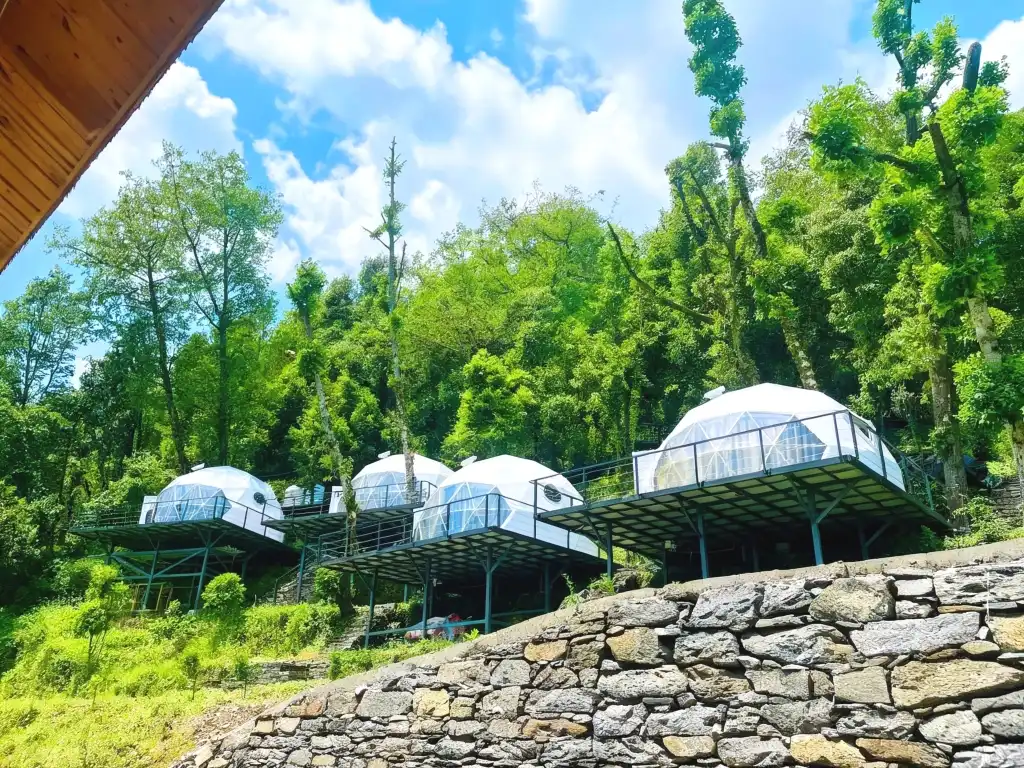
If you would like to experience the region from a nature-focused setting, explore Devshal Eco Stays and review the stay options. Contact the property directly to confirm availability, facilities and any arrangements relevant to your plans.
Travel note: Road conditions, weather, temple schedules and transport services can change. Check the relevant official advisories and local arrangements before travelling.